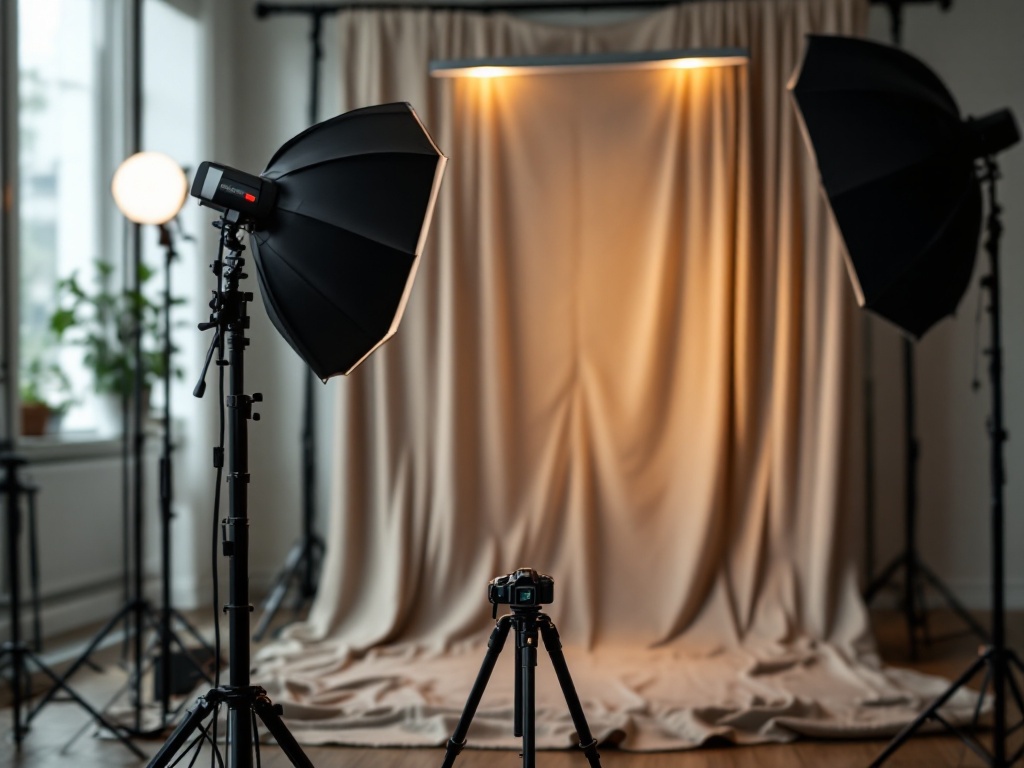
Creating great portraits is way more than just hitting a button – it’s all about blending some technical know-how, a dash of creativity, and connecting with the person in front of your camera. Here I will share some tips that will help you get the hang of what makes those perfect portrait moments happen.
Portrait Session Tips: Creating the Perfect Environment
Nailing awesome portraits starts way before you even pick up the camera. Here are some tips that’ll totally up your game:
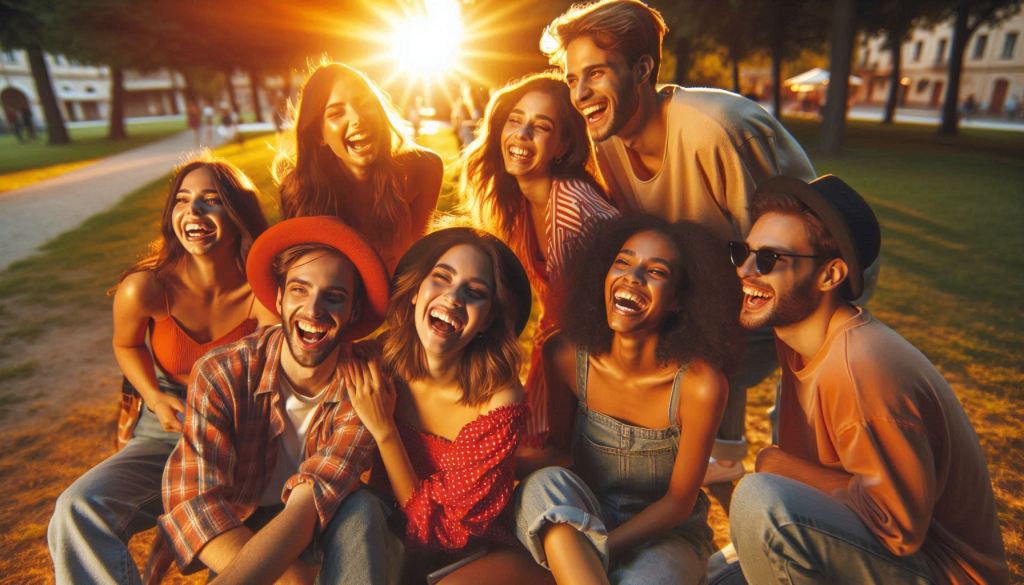
- When outside schedule sessions during the “golden hour,” which occurs shortly after sunrise or immediately prior to sunset, to achieve the most flattering natural light that enhances colors and adds warmth to photographs, creating a magical atmosphere that is perfect for capturing stunning moments and breathtaking landscapes.
- Take time to make your subject feel comfortable and relaxed during the entire experience, ensuring they have the space and environment to express themselves openly and without any pressure.
- Start with simple poses and gradually work towards more creative shots, allowing time for comfort and familiarity with the poses, as this will help achieve more natural expressions and better overall results.
- Keep conversation flowing to capture genuine expressions by actively listening, asking open-ended questions, and showing empathy, ensuring that all participants feel valued and heard in the dialogue.
- Take breaks to review images and adjust as needed periodically throughout the workflow to ensure all elements are aligned with the overall vision and to make any necessary improvements.
Lighting Techniques: The Key to Stunning Portraits
Lighting can make or break a portrait. Here’s what you need to know:
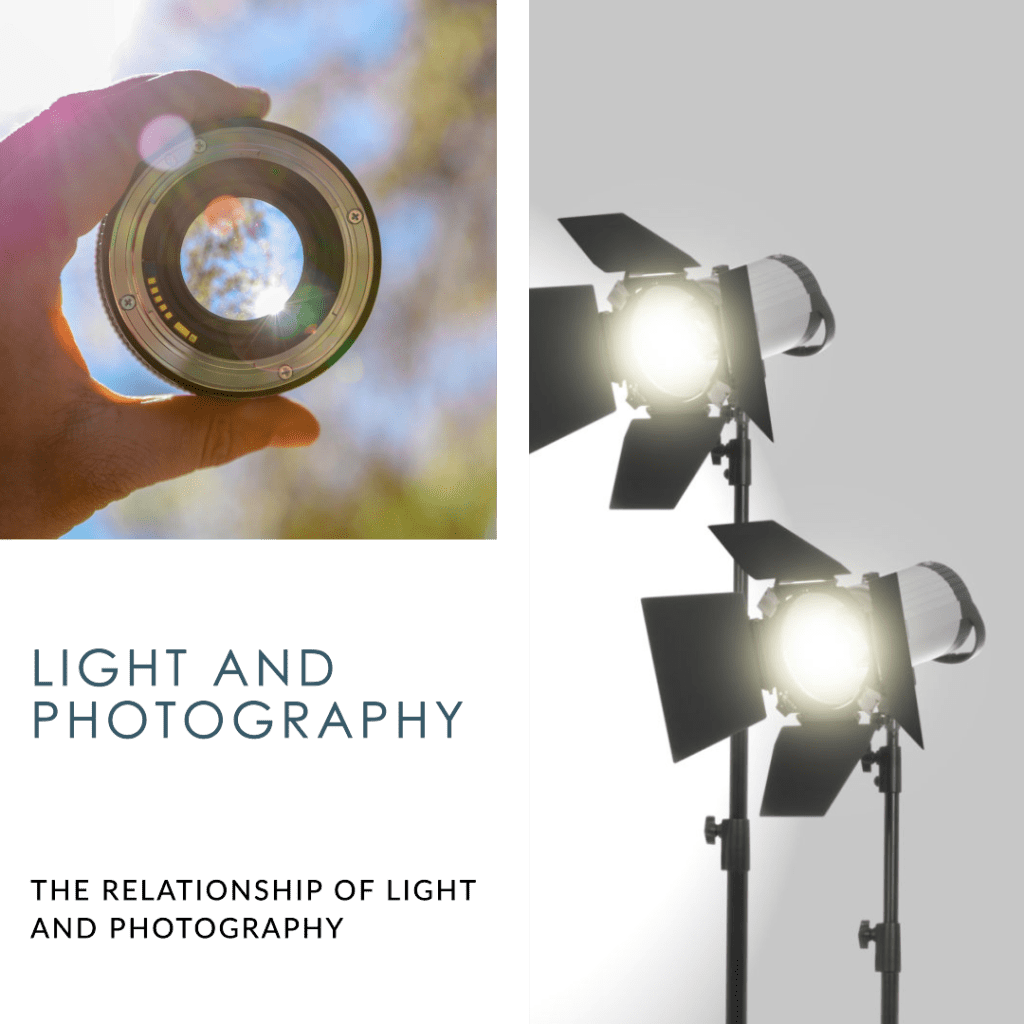
When working with natural light, seek out open shade for even and flattering illumination, and use reflectors to bounce light and fill in shadows. Position your subjects at angles to create depth. In a studio setting, mastering the basic three-point lighting setup is essential. Soft boxes can be used to create smooth and flattering light, while experimenting with rim lighting can yield dramatic effects. To control contrast, incorporate fill lights into your setup.
- Seek open shade for even, flattering natural light
- Use reflectors to bounce light and fill shadows
- Position subjects at angles to create depth
- Master the basic three-point lighting setup for studio lighting
- Use soft boxes for smooth, flattering light
- Experiment with rim lighting for dramatic effects
- Control contrast with fill lights
Posing Guidelines: Making Everyone Look Their Best
Good posing makes subjects feel confident and look natural:
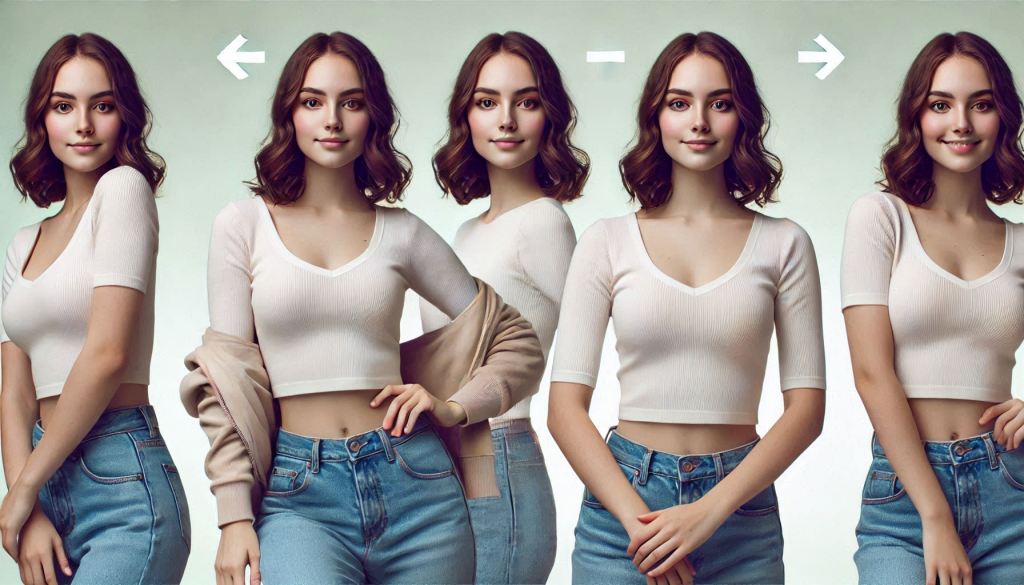
When posing individuals, angle their bodies slightly away from the camera, create space between their arms and body, keep their hands relaxed and natural, and guide their chin position to avoid unflattering angles. For group portraits, arrange the subjects in a triangle formation, ensure everyone’s eyes are visible, create different height levels, and connect the subjects through subtle touching.
- Basic Rules
- Angle the body slightly away from the camera
- Create space between arms and body
- Keep hands relaxed and natural
- Guide chin position to avoid unflattering angles
- Group Portraits
- Arrange subjects in a triangle formation
- Ensure everyone’s eyes are visible
- Create different height levels
- Connect subjects through subtle touching
Equipment Recommendations: Tools of the Trade
While skill matters more than gear, here’s what I recommend for quality portraits:
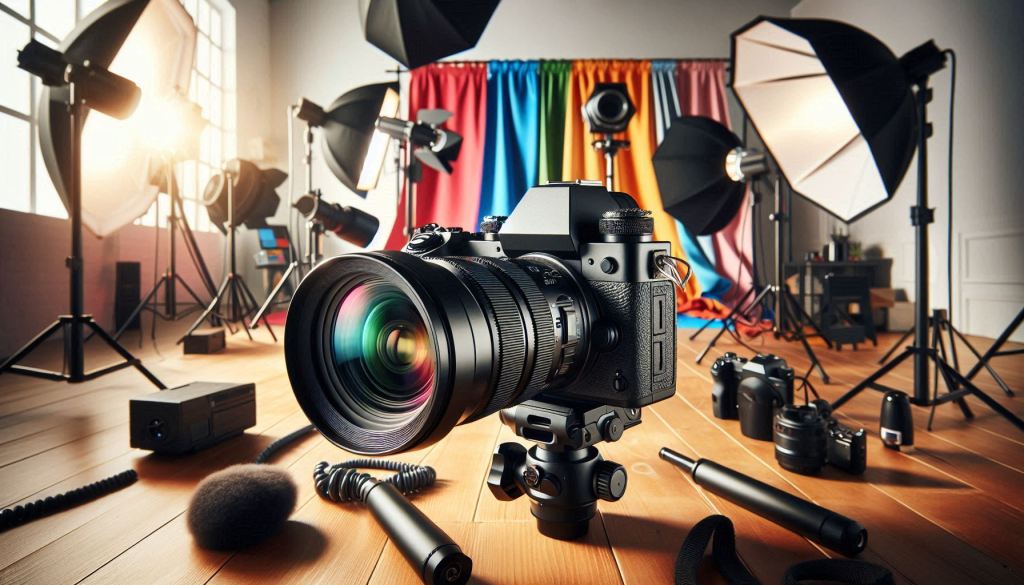
- Camera Body
- Full-frame camera for superior image quality
- Good autofocus system for capturing expressions
- High ISO performance for varying light conditions
- Lenses
- 85mm prime lens: ideal for individual portraits
- 70-200mm zoom: perfect for candid shots
- 24-70mm zoom: versatile for group shots
- Accessories
- Reflector kit for natural light manipulation
- Portable flash unit for fill light
- Light stands and modifiers
- Quality tripod for stability
Pro Tips for Success
- Always shoot in RAW format for maximum editing flexibility
- Focus on the eyes – they’re the window to the soul
- Take multiple shots of each pose
- Pay attention to small details like hair and clothing
- Build a rapport with your subject throughout the session
By incorporating these essential tools and tips into your photography sessions, you’ll elevate the quality of your portraits and create compelling images that truly capture the essence of your subjects. Remember, the key to stunning portrait photography lies in preparation, attention to detail, and building a connection with your subject. So, equip yourself with the right gear, practice diligently, and let your creativity flourish. Happy shooting!

 Kemple Photography Blog
Leave a Reply