Photography is like magic, well, kind of. If you have a few tricks up your sleeve, you can put on a pretty good show? It’s all about freezing cool moments and telling awesome stories through your camera. But hey, I get it – starting out can be totally overwhelming with all the tips, tricks, and gear out there. That’s why we’ve put together the ultimate list of 10 tips for newbie shutterbugs. Whether you’re rocking a smartphone or a fancy Full Frame or DSLR, these tips will level up your skills, help you master your gear, and take your photos to the next level. So grab your camera, and get ready for an epic photographic journey!
Learn Your Equipment
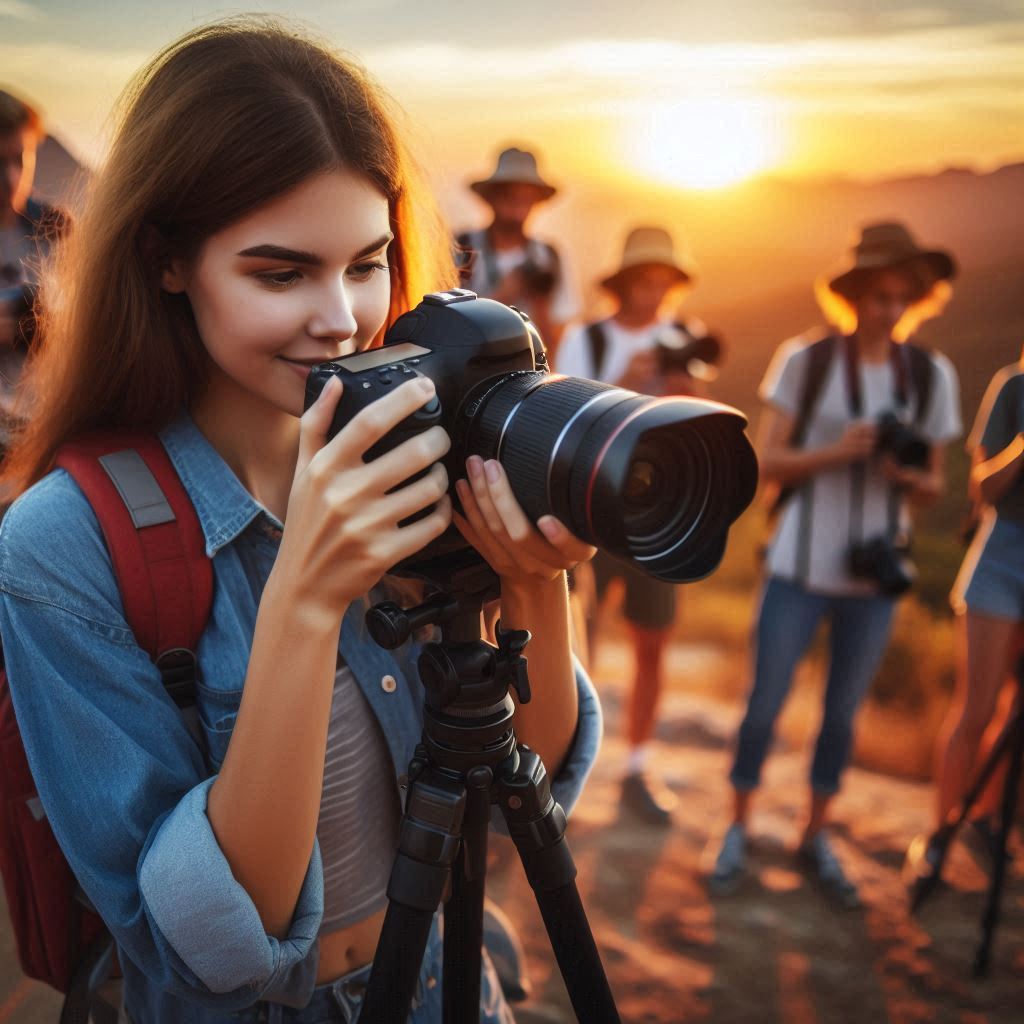
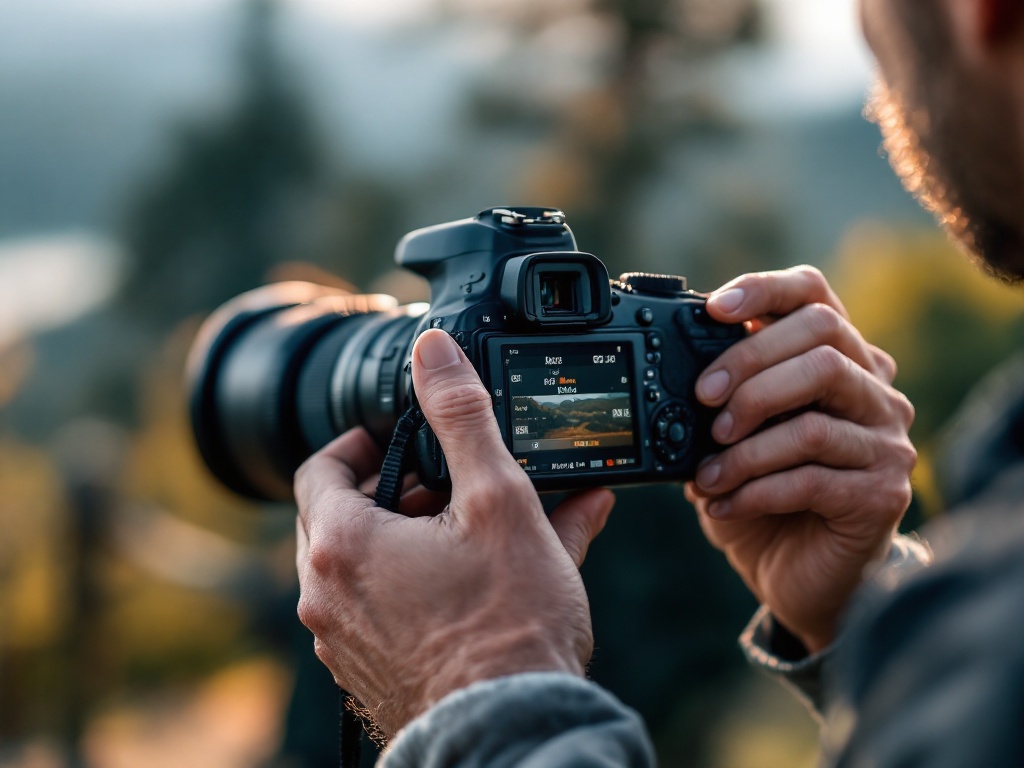
It’s super important to really get to know your camera and all its settings. Understanding your gear inside out will not only make you feel more at ease when taking photos, but it will also level up the quality of your pictures, making them look even better. Begin by going through the camera’s manual carefully and watching some tutorial videos that are tailored to your specific camera model. Try out different settings and features in different situations to really get the hang of your equipment.
Understand Lighting
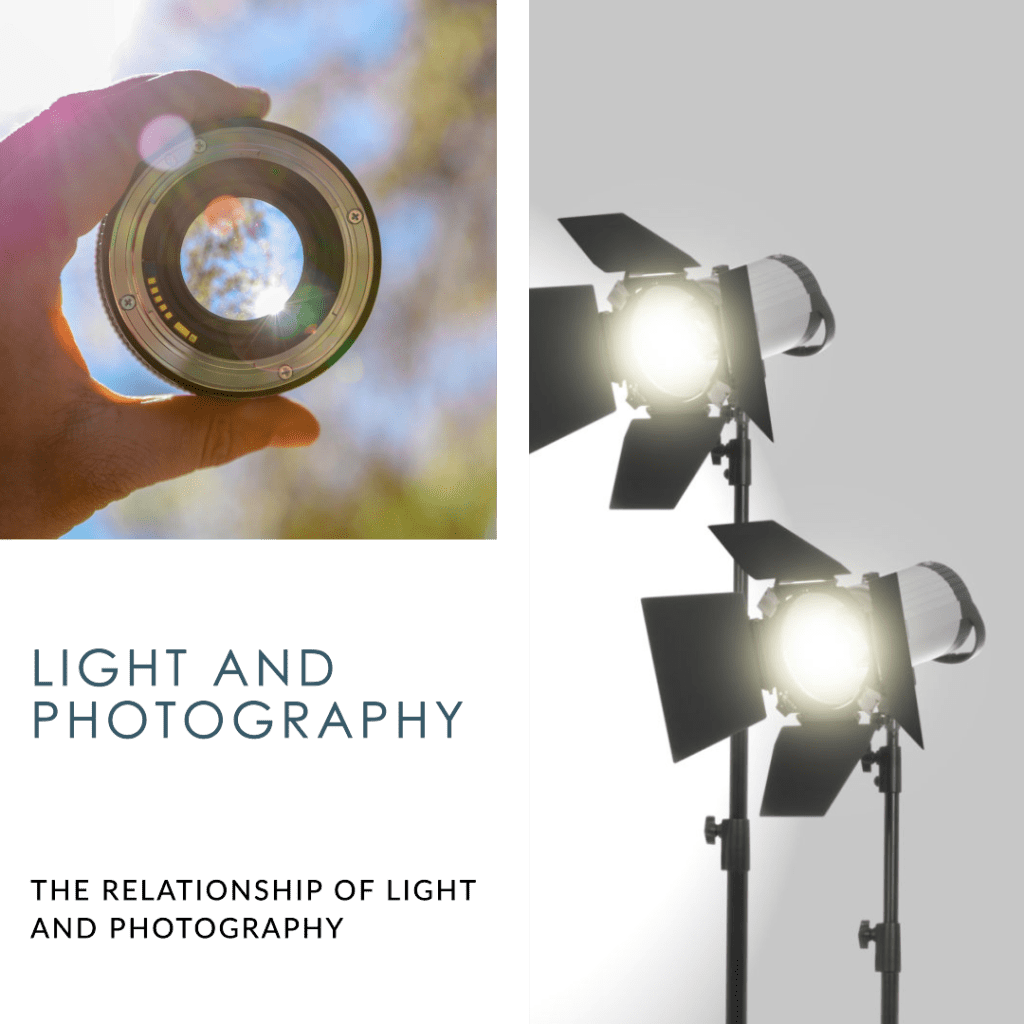
Lighting is super important in photography. You gotta make the most of that soft light during the golden hour, right after sunrise or before sunset. It can really make your photos pop, adding depth and making them more interesting. So, go ahead and play around during the golden hour, try out natural light versus artificial light, and figure out how to use reflectors and diffusers to work that light.
Practice Composition
Familiarise yourself with some basic composition techniques like the rule of thirds and leading lines, but don’t stick to these rules only. Feel free to play around and try out different compositions to make your photos more interesting and unique. Apply the rule of thirds, experiment with framing and leading lines, and try various compositions to see the differences.
Shoot in RAW
Shooting in RAW gives you way more flexibility when you’re editing later on. Unlike JPEG, RAW format grabs all the data from the camera sensor, so you can make bigger adjustments without sacrificing quality. Just switch your camera settings to RAW, master some basic RAW editing tricks, and then compare your edited RAW files to JPEGs to really see the change.
Experiment With Perspectives
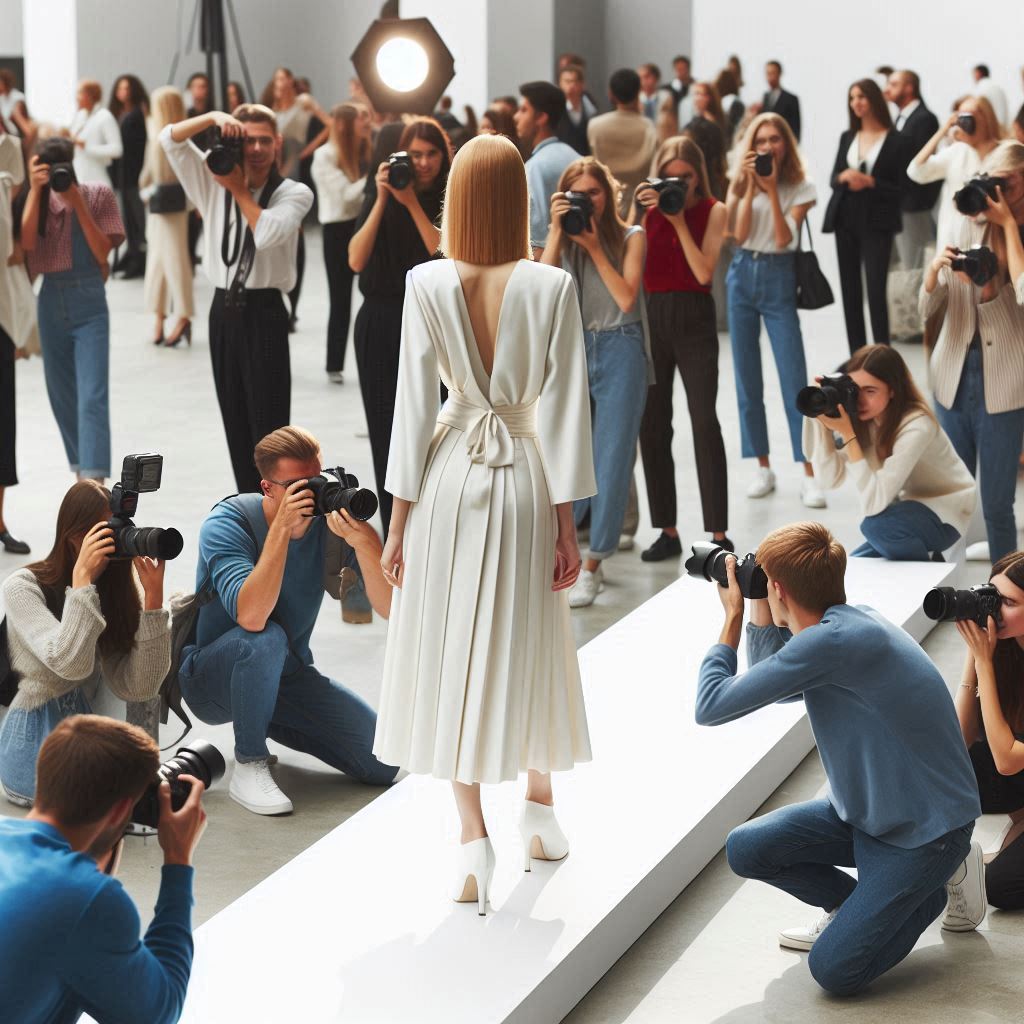
Try to break away from shooting only at eye level. Different angles and perspectives can add an interesting twist to your photos, making them more appealing and engaging. Shoot from high and low angles, capture subjects from different sides, and try macro photography to focus on small details.
Learn Basic Editing
Learning how to work with photo editing software can really make your photos pop. I mean, even the best photos can usually use a little tweaking, right? Whether it’s adjusting the exposure, playing with the colors, or cropping the image to make it look even better. Try taking an online course on photo editing software like Lightroom or Photoshop, play around with exposure, contrast, and color balance, and experiment with cropping and straightening your images.
Take Lots of Photos
The trick to getting better at photography is to keep snapping away. Take loads of photos, each one will show you what’s working and what’s not, helping you learn and get better. Set a goal to take photos every day or every week, join photography challenges or projects, and make sure to check out your photos regularly to see where you can improve.
Learn From Others
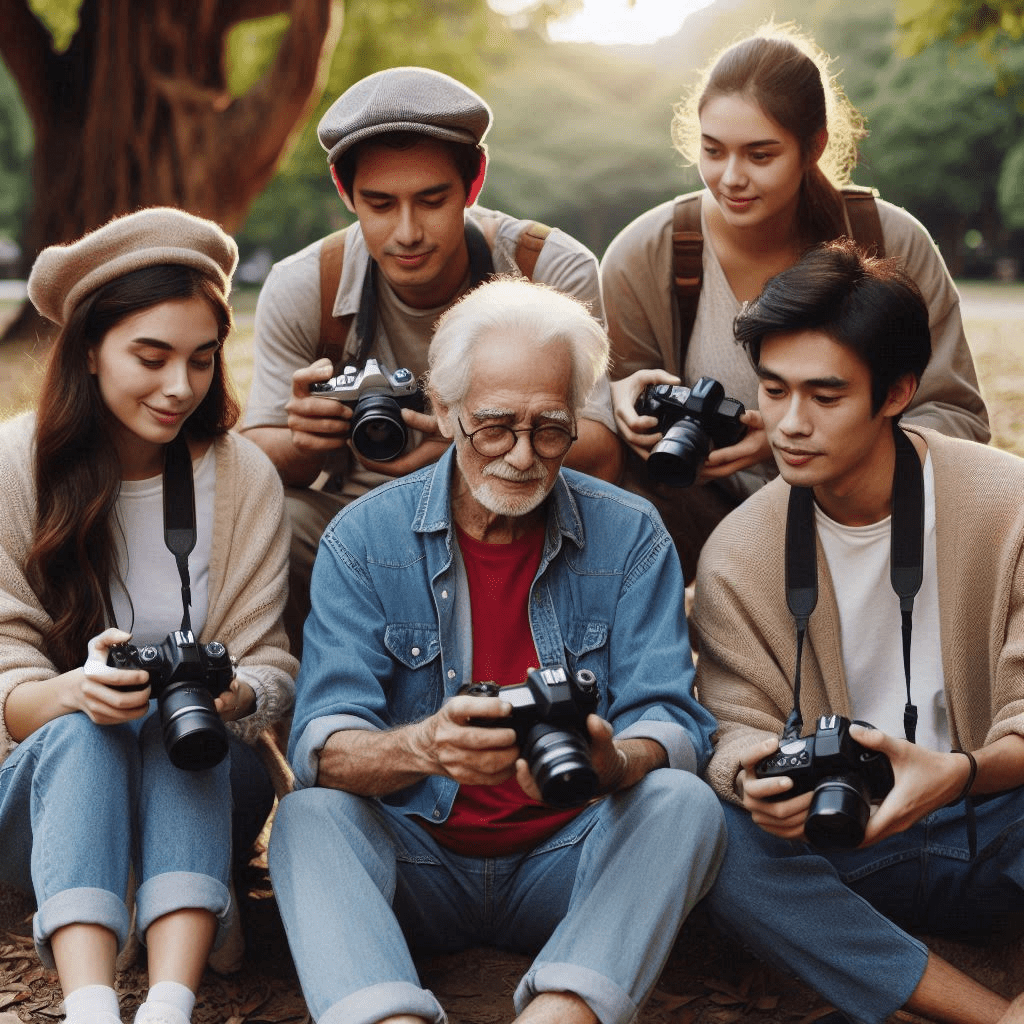
One of the coolest ways to get better at taking pictures is by checking out what other photographers are doing. It can really open your eyes to new ideas, give you a creative boost, and help you figure out what makes a photo really awesome. Start following some pro photographers on social media, hit up photography workshops or webinars, and join photography groups or clubs to share and give feedback on each other’s work.
Invest in a Good Lens
A top-notch lens can really level up your photography game. Sure, the camera body matters, but getting a great lens can seriously boost image sharpness and clarity, taking your photos to the next level. If you want to spend money ‘invest in glass’. Check out lenses that match your style, save up for a high-quality one, and then practice using it to get a feel for what it can do.
Have Patience
Remember, getting really good at photography takes time. If your photos don’t come out perfect at first, don’t sweat it. Just keep practicing, trying new things, and you’ll get better. Set achievable goals, track your progress, and don’t forget, every pro was once a newbie.
By following these essential tips, you’ll be well on your way to developing your photography skills and capturing stunning images. Happy shooting!
Next steps….
1. Learn Your Equipment
- Read the camera’s manual thoroughly
- Watch tutorial videos specific to your camera model
- Practice using different settings and features in various scenarios
2. Understand Lighting
- Experiment with shooting during the golden hour
- Practice using natural light versus artificial light
- Learn to use reflectors and diffusers to manipulate light
3. Practice Composition
- Apply the rule of thirds in your photos
- Experiment with framing and leading lines
- Try different compositions and review the differences
4. Shoot in RAW
- Change your camera settings to shoot in RAW format
- Learn basic RAW editing techniques
- Compare edited RAW files to JPEGs to see the difference
5. Experiment With Perspectives
- Shoot from high and low angles
- Capture subjects from different sides
- Try macro photography to focus on small details
6. Learn Basic Editing
- Take an online course on photo editing software like Lightroom or Photoshop
- Practice adjusting exposure, contrast, and color balance
- Experiment with cropping and straightening images
7. Take Lots of Photos
- Set a daily or weekly photo-taking goal
- Participate in photography challenges or projects
- Review your photos regularly to identify areas for improvement
8. Learn From Others
- Follow professional photographers on social media
- Attend photography workshops or webinars
- Join photography groups or clubs to share and critique work
- Some suggested titles to get you started
- “Understanding Exposure” by Bryan Peterson
- “The Photographer’s Eye” by Michael Freeman
- “On Photography” by Susan Sontag
- “The Art of Photography” by Bruce Barnbaum
- “Read This If You Want to Take Great Photographs” by Henry Carroll
- “Humans of New York” by Brandon Stanton
- “Annie Leibovitz at Work” by Annie Leibovitz
- “The Moment It Clicks” by Joe McNally
9. Invest in a Good Lens
- Research lenses that suit your photography style
- Save up and purchase a high-quality lens
- Practice using the new lens to understand its capabilities
10. Have Patience
- Set realistic goals for your photography progress
- Document your improvement over time
- Remind yourself that every photographer started as a beginner

 Kemple Photography Blog
Leave a Reply